
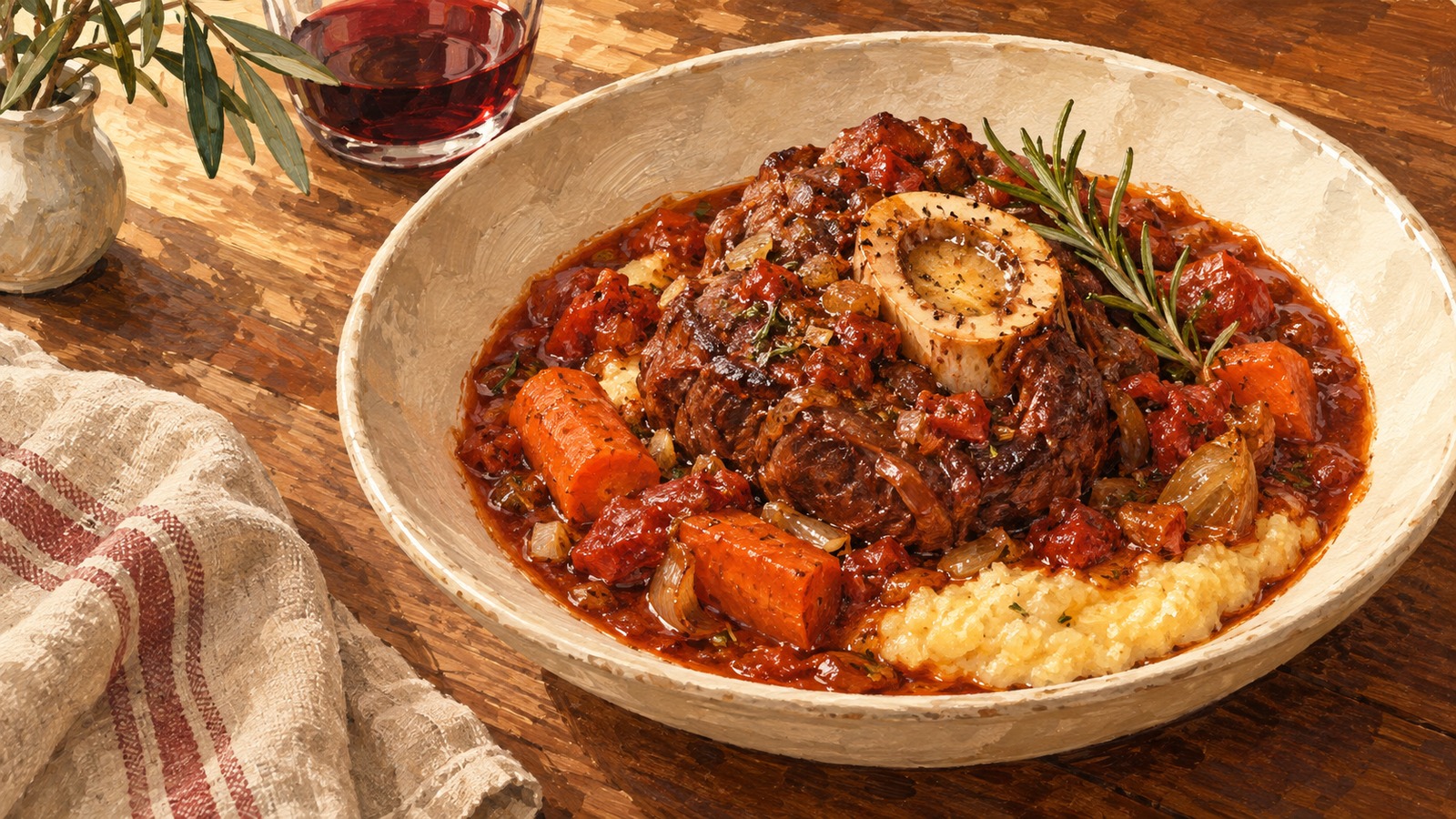
This recipe started with a trip to a local butcher and a few simple ingredients: shanks, red wine, garlic, tomatoes, broth, rosemary, onion, and carrots. The key is not a complicated technique. It is taking time to brown the meat well, build flavor in the same pot, and let low oven heat soften the shanks until they yield to a fork.
Although osso buco traditionally refers to cross-cut veal shanks, beef shanks make a hearty, accessible version. Their center bones and connective tissue give the sauce body as the pot slowly cooks.
From our original November 2022 kitchen post
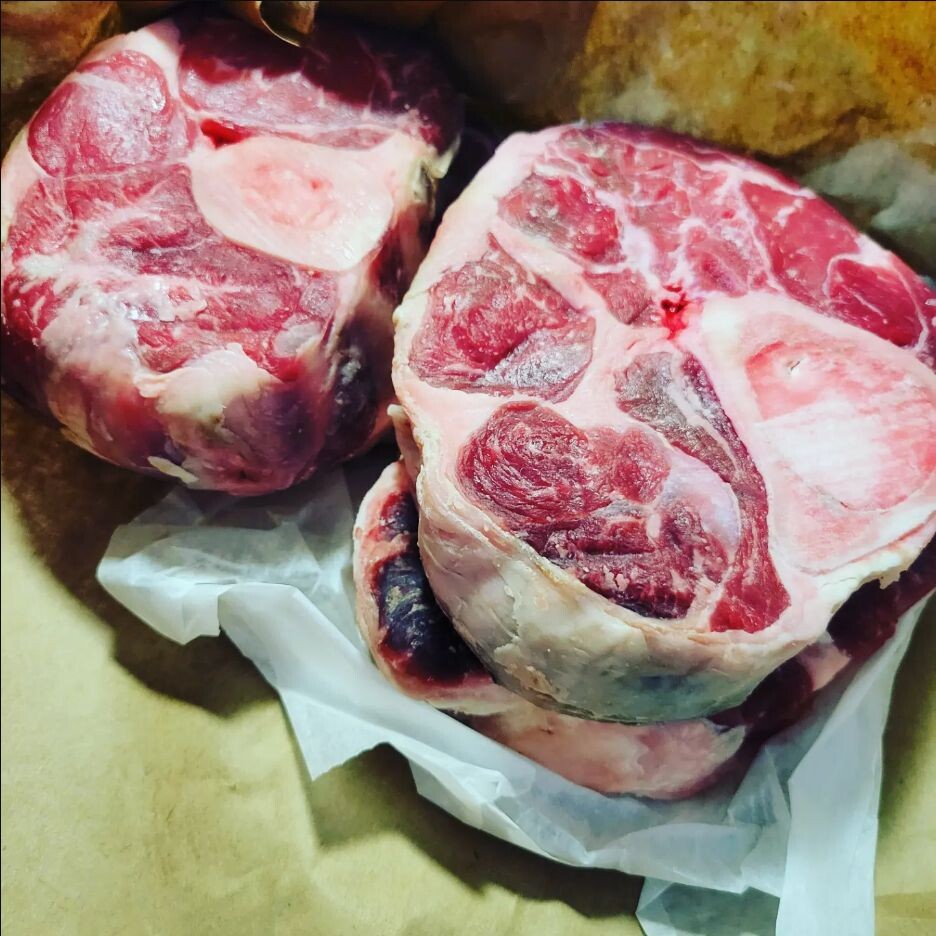
These are the original photos from the afternoon we made this dish, beginning with the butcher trip and the thick cross-cut beef shanks.
What you need
- 4 cross-cut beef shanks, 1 1/2 to 2 inches thick (3 1/2 to 4 pounds total)
- 2 teaspoons kosher salt
- 1 teaspoon freshly ground black pepper
- 1/2 cup all-purpose flour
- 2 tablespoons olive oil
- 1 large yellow onion, diced
- 2 carrots, diced
- 4 garlic cloves, minced
- 1 cup dry red wine
- 1 (14.5-ounce) can diced tomatoes
- 2 cups low-sodium beef broth
- 2 fresh rosemary sprigs
How to make beef osso buco
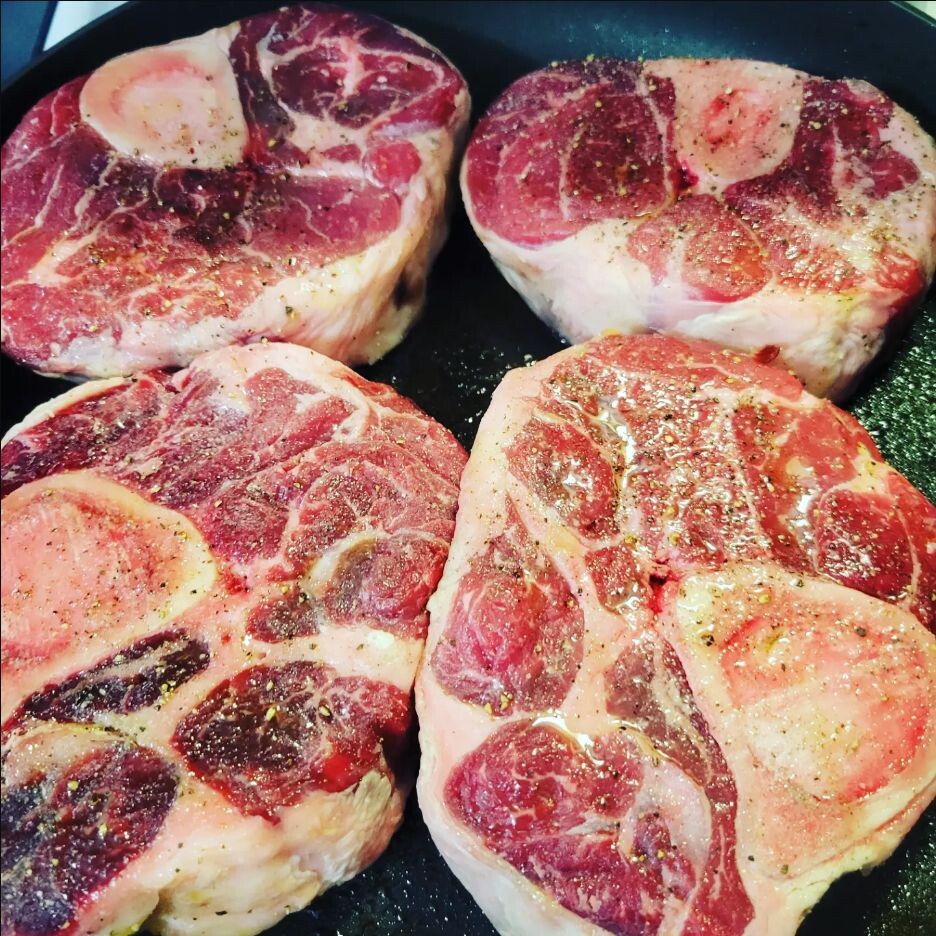
- Season the shanks. Heat the oven to 325°F. Pat the beef shanks dry, season with salt and pepper, then coat them lightly in flour and shake off the excess.
- Brown the beef. Heat the olive oil in a large Dutch oven over medium-high heat. Sear the shanks for about 4 minutes per side, working in batches if needed. Transfer them to a plate.
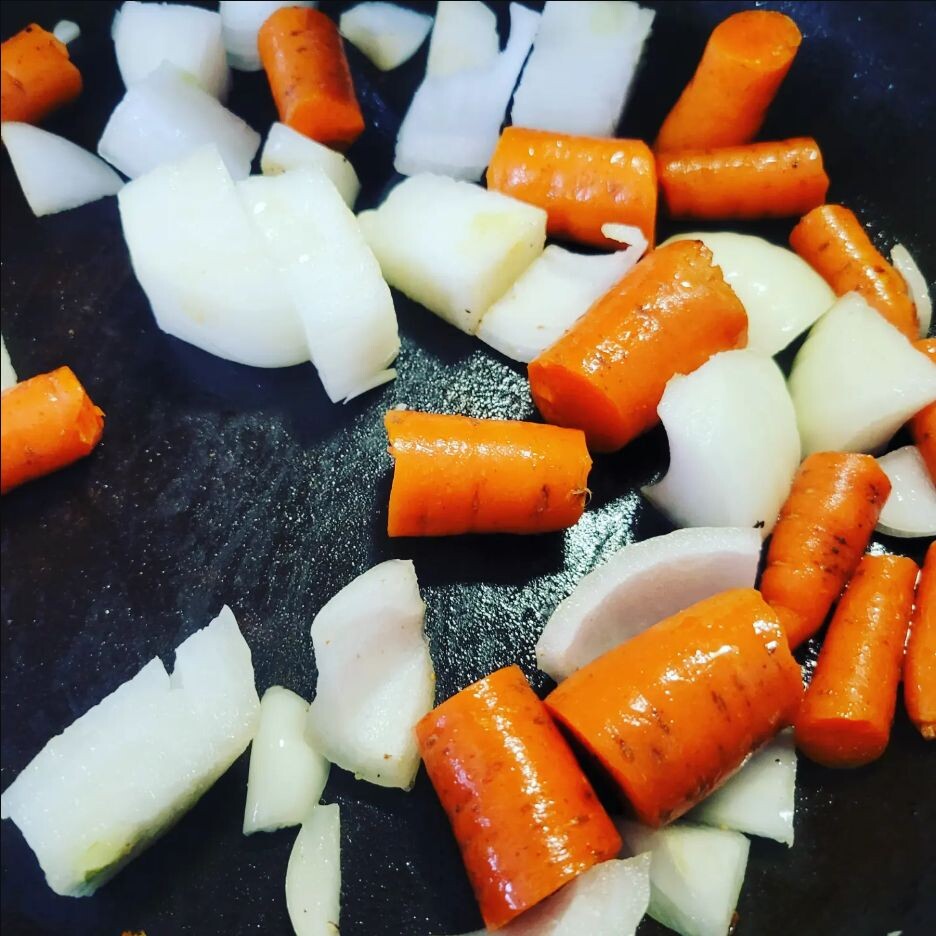
- Soften the vegetables. Reduce the heat to medium. Add the onion and carrots and cook for 6 to 8 minutes, until softened. Add the garlic and cook for 30 seconds.
- Reduce the wine. Pour in the red wine, scrape up the browned bits, and simmer for about 5 minutes, until slightly reduced.
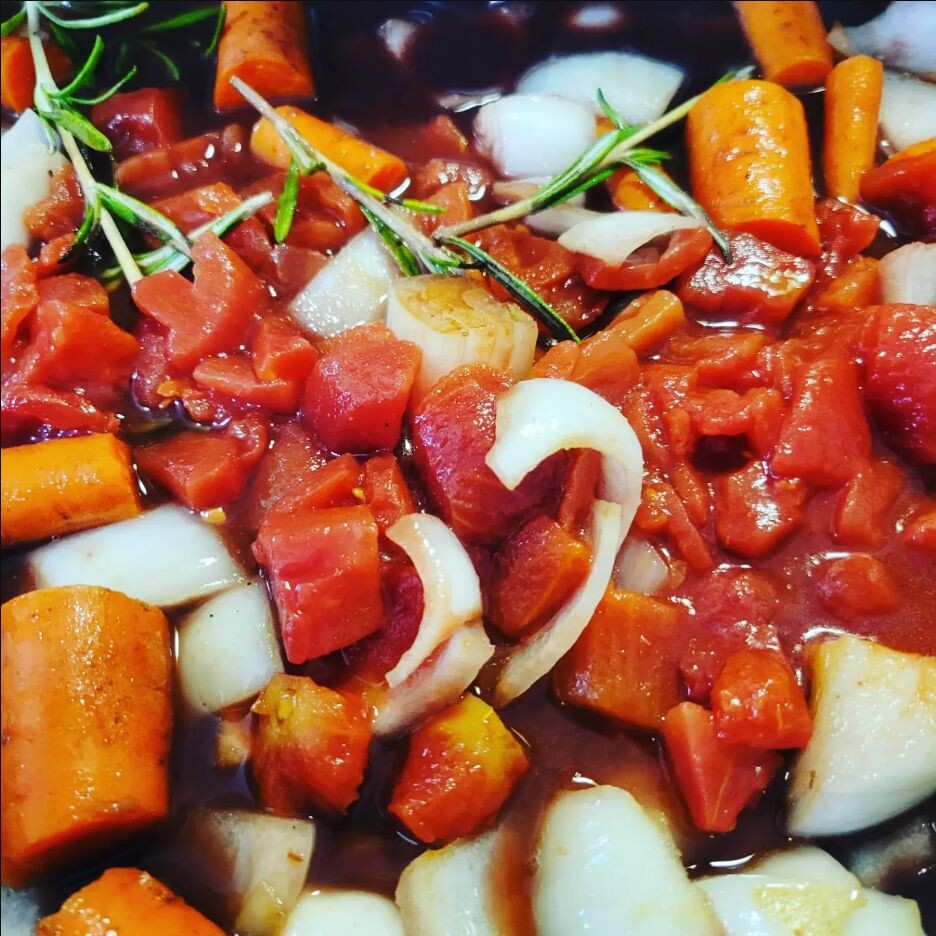
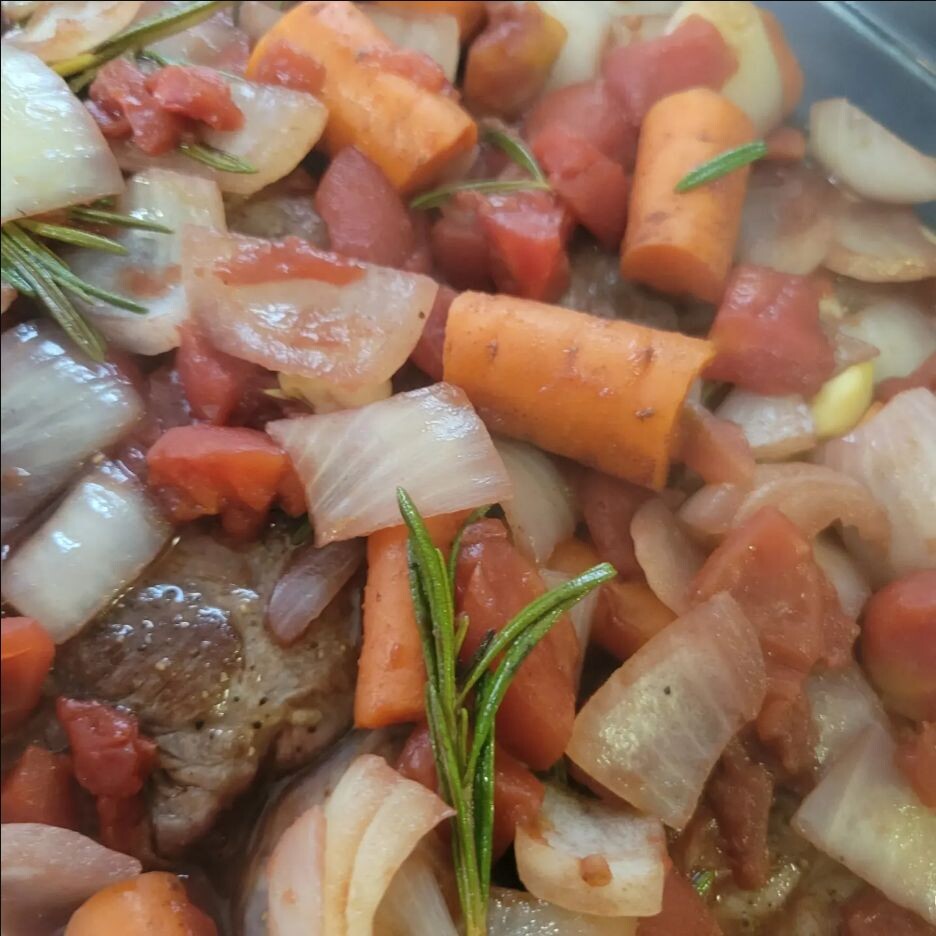
- Build the braise. Stir in the tomatoes and beef broth. Return the shanks and any juices to the pot, nestle in the rosemary, and bring the liquid to a gentle simmer.
- Cook until tender. Cover and braise in the oven for 3 to 3 1/2 hours, until the beef is fork-tender. Skim excess fat, remove the rosemary stems, and adjust the seasoning before serving.
How to know when it is done
The clock is a guide; tenderness is the real test. A fork should slide into the thickest part of the meat with little resistance, and the beef should be beginning to pull away from the bone. If it still feels tight after three hours, cover the pot and give it another 20 to 30 minutes.
Serving and make-ahead notes
- Serve over mashed potatoes, creamy polenta, or buttered noodles so none of the sauce is lost.
- Keep each shank intact when possible and spoon the vegetables and braising liquid around it.
- The flavor improves overnight. Cool promptly, refrigerate, remove the firm fat from the surface, and reheat gently until steaming hot.
- The marrow inside the center bone is rich and edible; serve it for guests who enjoy it.
- Allergens: the flour contains wheat. Use a gluten-free all-purpose flour if needed and confirm the broth is gluten-free.
Recipe note: This measured version was reconstructed from our November 2022 cooking post, which documented the ingredients and process but did not include quantities or a finished-dish photo.
Free 13-page cookbook
Bring Our Birch Island to your table.
Join our occasional notes and download Family Recipes, Volume One - five complete recipes with original photography.
For another cozy dish, try our golden chickpea noodle soup, or browse all of our family kitchen recipes.