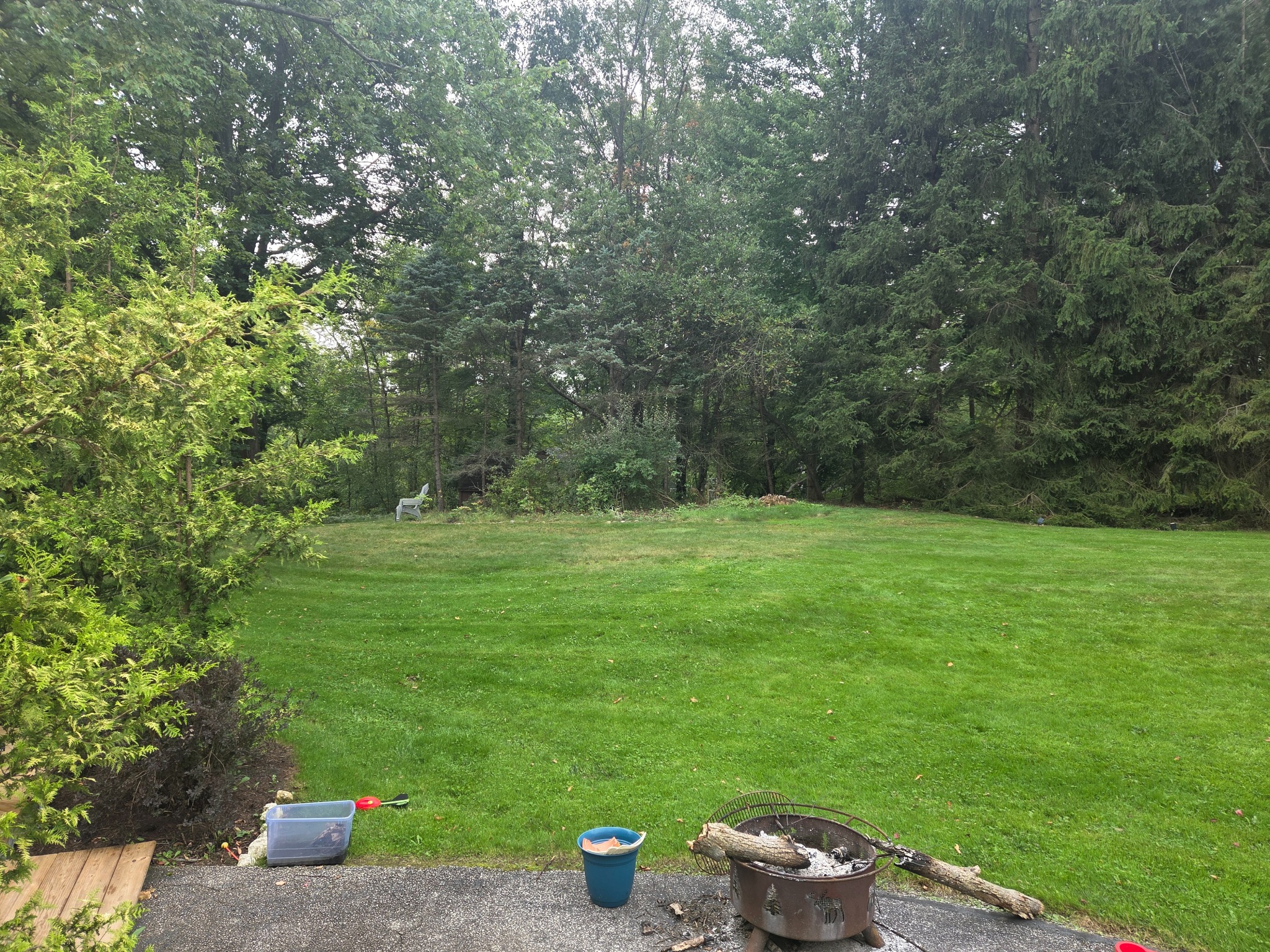
The honest expectation: Four to six hours is part sun. Leafy and root crops can produce useful harvests, but most fruiting crops prefer longer, stronger sunlight. Morning sun is generally easier on cool-season greens than intense late-afternoon heat.
Our best bets
| Crop | Fit | How we will use it |
|---|---|---|
| Leaf lettuce | Very good | Harvest outer leaves; sow small batches every 2–3 weeks. |
| Spinach | Very good | Best in cool spring and fall weather; summer heat triggers bolting. |
| Kale | Very good | Reliable through cool weather and improves after light frost. |
| Swiss chard | Very good | Handles summer heat better than spinach and produces for months. |
| Radishes | Very good | Fast, compact, and useful between slower crops. |
| Beets | Good | Grow for roots or harvest young leaves; expect slower growth in shade. |
| Carrots | Good | Choose shorter varieties and keep the seedbed evenly moist. |
| Peas | Good | Use a trellis along the north edge so it does not shade shorter crops. |
| Bush beans | Worth trying | Use the brightest area; yields may be lighter than in full sun. |
| Parsley, cilantro and chives | Very good | Useful edge crops; cilantro prefers the cooler seasons. |
What may struggle
Tomatoes, peppers, cucumbers, squash, melons, and eggplant generally reward the sunniest possible position. We may test one compact tomato or pepper in the brightest southwest corner, but we will not spend most of our bed space on crops that need conditions this site cannot reliably provide.
A simple plan for two 3-by-8-foot beds
Greens, roots and peas
North edge: trellised peas
Middle: spinach, kale and chard
South edge: radishes, carrots and beets
After spring peas and spinach finish, the open space becomes a fall planting of kale, lettuce, cilantro and radishes.
Chard, herbs and experiments
Brightest end: bush beans and one trial tomato or pepper
Middle: Swiss chard and leaf lettuce
Edges: parsley, chives and succession radishes
This bed keeps dependable crops while reserving only a small area for sun-loving experiments.
Working Cleveland-area planting calendar
| Window | What to do |
|---|---|
| Late March–April | Peas, spinach, radishes, leaf lettuce, carrots and beets once soil is workable. |
| May | Transplant kale, chard and herbs; sow bush beans after the soil warms and frost risk passes. |
| June–July | Harvest spring greens, resow small amounts of lettuce, and keep beds mulched and watered. |
| Late July–August | Start fall kale, spinach, radishes, beets, cilantro and leaf lettuce. |
| September–October | Harvest fall crops; use a light row cover to stretch the season. |
These are planning windows, not guarantees. Soil temperature, drainage, tree leaf-out, frost, and the seed packet’s maturity information should guide the final date each year.
How we will get more from limited light
- Place the beds in the brightest measured part of the 20-by-10-foot footprint.
- Run trellises along the north side to avoid shading shorter plants.
- Thin seedlings promptly so leaves are not competing for light and airflow.
- Use succession planting instead of filling every space at once.
- Prune only small obstructing branches when appropriate; we are not damaging mature trees for a few extra vegetables.
- Record harvests so next year’s plan reflects what actually produced.
Our first seed list
- Loose-leaf lettuce mix
- Spinach suited to spring and fall sowing
- Lacinato or curly kale
- Bright Lights or Fordhook Swiss chard
- French breakfast and round red radishes
- Short carrots such as Parisian or Chantenay types
- Snap or snow peas
- Compact bush beans
- Flat-leaf parsley, cilantro and chives
Useful planning references
- University of Minnesota Extension: understanding part shade
- University of Minnesota Extension: vegetables for a fall harvest
- Ohio State University Extension, Cuyahoga County
Affiliate note: This page does not currently contain paid affiliate links. If links are added later, we may earn a commission at no additional cost to the reader. We will update this article with the varieties and supplies we actually use.